
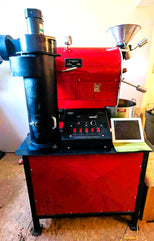

How Much Is My Coffee Used Roaster Worth on the Market
An old coffee roaster can hide more value than most owners expect. When people ask how much my used coffee roaster is worth, the doubt feels real, because prices online look confusing and far apart.
Price changes happen for simple reasons. Brand trust, machine size, care level, and buyer demand all affect value. A clean, known roaster can earn more money than a larger unit with poor service history records.
This guide breaks down real resale ranges, clear price rules, and easy ways to check worth. Read on to learn how experts price machines, use market benchmarks, and sell your roaster with confidence today.
How Much Is My Used Coffee Roaster Worth?
Most used coffee roasters have real resale value and you can sale them for 30% to 50% of their original price based on the condition and demand. In many cases, owners can expect fair returns based on size, brand, and care level, rather than guessing a random number.
Typical Price Ranges for Used Coffee Roasters
Used coffee roaster equipment falls into clear price bands. Small sample machines serve labs and cafés. These units often sell between $3,000 to $20,000, based on age and brand.
Mid-size commercial roasters suit small roasteries and cafés with steady output. These machines often appear in listings between $10,000 to $45,000.
Large commercial units, built for production work, can reach $60,000 to $100,000 or more when demand stays strong. Older or well-cared machines sometimes cross these averages.
Used Coffee Roaster Value Compared to New Price

A used coffee roaster's resale value usually sits 30% to 50% below the new price. This rule helps sellers avoid overpricing and helps buyers feel safe. Roasters last many years, so buyers accept used machines with confidence.
Strong steel frames, solid burners, and long service life keep values steady. A healthy resale market also supports pricing. Low-priced listings often move fast. High-priced listings may stay unsold for long periods.
Brand and Model Impact on Resale Value
Brand trust plays a big role in resale pricing. Well-known makers often keep stable values in the used market. Buyers feel safer with proven machines that work the same way year after year.
Premium brands with strong resale demand include:
Probat
Diedrich
US Roaster Corp
Giesen
These brands offer long service life, global demand, and easy access to spare parts. Lesser-known brands often sell for less. Older or discontinued models may need flexible pricing to attract buyers.
Capacity and Output Size

Machine size links directly to buyer demand. Sample roasters with 500g to 1kg capacity often sell for $4,000 or more, based on age and care. These machines suit testing, training, and small cafés.
A 5kg roaster fits many small roasteries. Listings often sit between $10,000 to $15,000, with some models near $20,000. Large 60kg roasters serve production work and can approach $100,000, mainly from premium brands. Size also affects setup cost and space needs.
Condition, Age, and Maintenance History
Condition shapes value more than appearance alone. Buyers look for proof of care and safe operation. Machines with service records often attract stronger offers and faster sales.
Value rises with:
Regular service records
New burners, motors, or control panels
Clean drum and airflow paths
Value drops with rust, frame damage, missing papers, or old control systems. Newer machines usually sell at higher prices due to longer future use.
Type of Coffee Roaster (Gas vs Electric vs Air)
Energy type affects both price and buyer interest. Electric roasters often sell between $2,500 to $10,000 on the used market. These suit labs and small batches with simple setup needs.
Gas roasters cover a wider price range due to size and brand variety. Air roasters cost more in some cases. High-end used models can pass $10,000. Energy choice affects installation needs, running cost, and buyer pool size.
What Affects Demand for Used Coffee Roasters?
Demand plays a strong role in pricing any used coffee roaster. Even a good machine may sell slowly if buyer interest stays low. When demand rises, sellers often receive better offers and faster responses.
According to the Coffee Consumption Statistics 2026, global coffee consumption reached around 177 million 60kg bags annually.
Market Demand and Timing
Interest in used roaster for sale listings has grown in recent years. Small coffee businesses prefer used machines to reduce startup costs. This shift increases buyer activity across several segments.
Rising interest appears in:
Micro-roasteries with limited space and budget.
Contract roasting businesses serving other brands.
Café-based roasting for fresh, in-house coffee.
Demand also changes based on location, time of year, and business trends. Busy seasons often bring more buyers. Slower months can reduce inquiry volume.
Availability of Comparable Listings
Price pressure increases when many similar machines appear online. Buyers compare options and negotiate harder.
Coffee production and supply stay close to consumption levels (according to the ICO annual report, around 170 million bags annually), meaning pricing often reacts quickly to small demand or supply changes.
Rare models or discontinued units face less competition and may attract higher offers from the right buyer.
How to Accurately Estimate Your Used Coffee Roaster’s Value
The best way to estimate value is simple. Check real sale prices for similar machines, review condition details, and compare trusted listings. This method gives a clear and realistic price range without guesswork.
Listings on Trusted Marketplaces

Start with reliable resale platforms that focus on coffee or industrial equipment. These sites show active prices and buyer interest. They also help confirm fair market levels.
Recommended platforms:
CoffeeTec focuses only on coffee equipment, so prices reflect real industry demand and serious buyers.
eBay with exact model searches helps show live market behavior, including how fast similar machines sell and at what price.
Kitmondo lists industrial coffee roasters worldwide, which helps compare prices across regions and business sizes.
Exapro offers used food and beverage machines, making it useful for checking value trends on commercial roasters.
Look at sold or active listings, not wish prices. This shows what buyers accept in real situations.
Compare Apples to Apples
Accurate estimates need fair comparison when it comes to selling a used roaster. Small differences can change the value by thousands. That’s why it’s essential to focus on machines that match your roaster closely.
Key points to match:
Same model and batch size.
Similar age and care level.
Included items such as destoners or control upgrades.
Location and shipping options.
When to Get a Professional Valuation
Some cases need expert help, and you should consult with a professional. High-value machines often justify professional review. Export sales, broker deals, or finance cases also benefit from formal pricing reports. These steps protect both seller and buyer.
End Note
Used coffee roaster values change a lot, but prices never appear by chance. Brand name, machine size, care level, energy type, and market demand shape the final number. These factors explain why similar roasters sell at different prices.
Before selling used coffee roaster equipment, compare real listings and set a fair price, often 30% to 50% below the new cost. Trusted resale platforms help reach serious buyers. A clean, well-kept roaster remains a strong and valuable asset.
FAQs
Do older or vintage coffee roasters sell for more?+
Sometimes yes, but only when the condition stays strong, and parts remain available. Many older machines sell well due to solid build and trusted brands. Poor care, rust, or missing records lower the value fast. Buyers pay more for proof of service.
Should I sell my coffee roaster privately or through a broker?+
Both work, but the better choice depends on time, risk, and price goals. Private sales may earn more money with direct talks. Broker sales cost fees but offer reach and support. High-value machines often suit brokers to help achieve the best results.
Are electric coffee roasters cheaper on the used market?+
Yes, electric coffee roasters usually cost less on the used market. They suit small batches and simple setups without gas lines. Prices often fall between $2,500 to $10,000. Condition, brand, and power needs still affect value for many buyers today.
How do I calculate the resale value of my coffee roaster?+
Calculate resale value by comparing similar listings, then adjust based on brand, capacity, condition, service history, and included extras. Well-maintained machines with records typically sell for a higher percentage of their original purchase price.
Where can I sell a used coffee roaster?+
Sell a used coffee roaster on equipment marketplaces, coffee industry forums, auction sites, or directly to roasteries. Specialized platforms and industry networks usually attract more serious buyers than general classified listing websites.
What brands retain the highest resale value?+
Brands retain the highest resale value when they offer strong build quality, parts availability, and service support. Well-known commercial roasting brands typically hold value better due to reliability, reputation, and long-term industry trust.
Leave a comment