

Coffee Bean Mixers
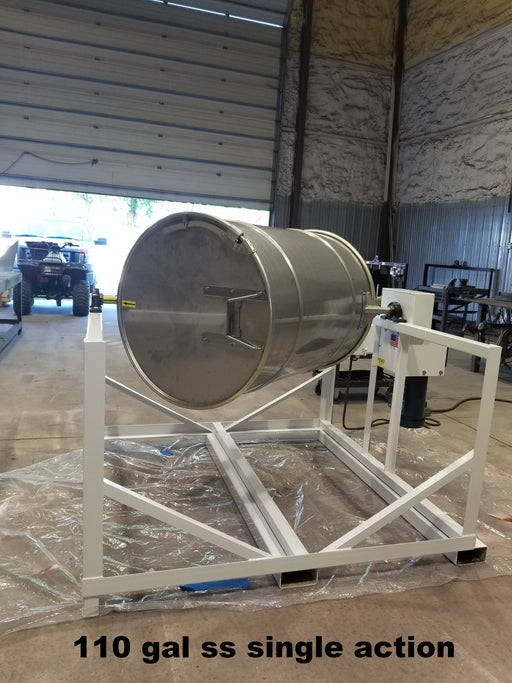
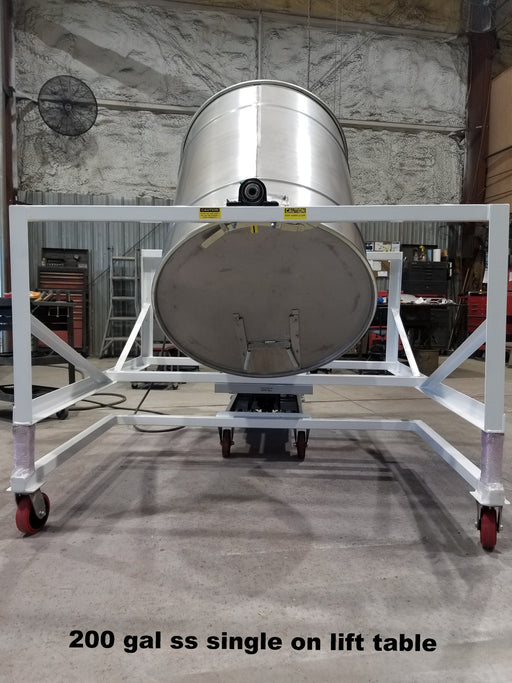
55 to 200 Gallons - Food Grade Drum Mixer - Made in USA - New
Here's a food-grade drum mixer that is very gentle on the bean resulting in virtually zero breakage. Because these are food-grade drums, you can u...
View full detailsCoffee Bean Mixers and Blenders for Flavoring and Blending
Coffee bean mixers and blenders bring roasted beans together into consistent blends, and they're the tool roasters reach for when coating beans in flavoring oils. If you're building a house blend from multiple origins, or adding vanilla, hazelnut, or caramel to a finished roast, a food-grade mixer handles the batch gently, so beans stay whole and the flavor coats evenly. Browse new and used mixers below, sized for shop roasters up through high-volume production. If you're also clearing stones and debris before you blend, check our coffee destoners too.
Why Roasters Use a Dedicated Mixer
Hand-mixing a batch of roasted beans is slow and inconsistent, and it's easy to bruise or crack beans in the process. A purpose-built coffee mixer or blender solves both problems. Most run on a slow rotation or tumbling drum, so beans tumble against each other instead of getting pushed or scraped by paddles. That keeps breakage low and gives you the same blend ratio batch after batch.
The same equipment does double duty for flavoring. Roasters spray food-grade oils or extracts onto the tumbling beans, and the rotation spreads the coating evenly across the batch instead of pooling on a few beans at the bottom. Look for food-grade stainless steel construction, a wash-down rated motor and control panel, and a discharge gate sized for how you move beans into your next step, whether that's grinding, bagging, or straight to storage.
Drum and Tumbling Mixers vs. Ribbon Blenders
| Type | Best For |
|---|---|
| Drum or tumbling mixer | Gentle blending and flavor coating with minimal bean breakage, common at shop and mid-size roasteries |
| Ribbon blender | Faster, higher-volume batches where speed matters more than the gentlest possible handling |
Looking to move a mixer or blender you no longer need? Our sell your used equipment form gets it listed in front of roasters shopping this same page.
Once your blend is mixed, most roasters send beans on to grinders or straight to loading and storage with our coffee loaders.
FAQs
What's the difference between a coffee mixer and a coffee blender?
+In roastery equipment, the terms are used interchangeably. Both describe machines that tumble or agitate roasted beans to combine origins into a blend or coat them with flavoring oils, rather than the countertop blenders used for grinding or brewing.
How much coffee can an industrial mixer handle per batch?
+Batch capacity varies by model, from smaller shop units handling a couple dozen pounds up to industrial mixers built for several hundred pounds per cycle. Check each listing's specs for exact batch size and cycle time.
How do coffee mixers add flavor to roasted beans?
+Roasters spray food-grade flavoring oils or extracts onto cooled, roasted beans while the mixer tumbles the batch, letting the oil bond to the bean's porous surface. Our guide on how coffee is roasted to create different flavors walks through the full process.
Will a mixer damage my roasted beans?
+A properly sized drum or tumbling mixer is built to be gentle. Beans roll against each other instead of being pushed by paddles or blades, which keeps breakage and chaff to a minimum compared to manual mixing.
Are these mixers easy to clean between flavor batches?
+Food-grade stainless steel models with a polished interior and wash-down rated motor are designed for that. A hinged cover and bottom discharge gate also make it faster to empty and rinse a drum between different flavor runs.
Should I buy a new or used coffee mixer?
+Both are solid options here. Used mixers are inspected before listing and cost less to get running, while new units come with a manufacturer warranty. Match your choice to your batch size and how often you'll run flavored blends.